
It’s easy to forget that the idea of something ‘going viral‘ is relatively new. ‘Viral’ used to mean something very different than a signal of popularity or value. Before social media, information spread slowly through word of mouth, magazines, or television segments that reached limited audiences. Today, that entire system has changed.
In fact, it seems the way information spreads has changed more in the last decade than it ever has in the last century. What used to take time and repetition can now gain widespread, global traction within minutes.
Keep scrolling to learn more, or click a section to explore!

Why Cleaning Hacks Go Viral in the First Place
The rise of viral cleaning hacks is rooted in how dramatically the way we share information has evolved. Information no longer spreads slowly or locally.
Instead, social media platforms like TikTok, Instagram, and YouTube have turned topics like alternative cleaning tips into highly shareable content. A quick transformation video or a clever cleaning trick is easy to post, and even easier to consume!
Plus, the more universal the problem, the faster the idea tends to travel. Cleaning, as a daily and shared necessity, often meets that threshold.
There is also a deeper behavioral reason these viral cleaning hacks gain traction. Especially in a fast-paced modern world, people are naturally drawn to solutions that reduce effort and deliver instant gratification. Watching a stain disappear in seconds or seeing a drastic “before-and-after” transformation can actually trigger a sense of resolution, even if we haven’t done anything ourselves.
On top of that, these hacks often simplify problems that, in real life, are rarely simple. As much as we love cleaning ourselves, the reality is that cleaning is inherently repetitive, layered, and oftentimes time-consuming.
Viral cleaning hacks sit at the intersection of convenience and curiosity, which is where things start to get more interesting.
While that simplicity is part of the appeal, it also introduces an important tension: not every idea that feels universally useful actually performs the same way in practice.
How Viral Cleaning Hacks Can Become Harmful or Counterproductive
A lot of viral cleaning hacks attract attention because they feel like a fresh perspective on something familiar. The challenge comes when that interest turns into immediate execution without enough research or consideration.
Keep in mind that most DIY methods don’t always come with the same safeguards or consistency as established cleaning practices. What often looks like a harmless alternative online won’t always play out the same way in reality.
A method might claim one thing in theory, but underperform (or worse, actively cause damage!) in practice. These outcomes are rarely part of how the hack is presented; the focus is almost always solely on the immediate result.
At the most problematic end of the spectrum, not all viral cleaning hacks were even created to be effective by any means. Some exist primarily to drive engagement, using familiar household ingredients and dramatic results to appear credible and draw people in.
In reality, the methods behind these hacks can be far less effective than they claim to be. And now, with the growing prevalence of AI-generated content, discerning what is truly reliable isn’t getting any easier.
With all of that in mind, it’s worth taking a closer look at a few viral cleaning hacks to examine what they’re actually built on.
To better understand what’s really behind these viral cleaning hacks, we’ll approach each one using the same framework.
First, we’ll look at what the hack claims to do and why people believe it works. Then we’ll dive into the science behind it to see whether those claims make sense in theory.
Next, we’ll outline the process, along with any risks or drawbacks worth keeping in mind. We’ll also consider how practical it really is outside of social media.
Once we’ve looked at the full picture, we’ll wrap things up with a simple genius or gimmick verdict to determine whether the hack is genuinely useful, overhyped, or somewhere in between.
Let’s see how some of the internet’s most viral cleaning hacks actually hold up!
Viral Cleaning Hack #1: Ice Cubes for Carpet Dents
- Goal/Claim:
- Claims to restore carpet fibers that have been compressed by heavy furniture.
- The Science Behind It:
- In theory, this hack is based on the way carpet fibers respond to moisture. Over time, the weight of furniture can flatten fibers and cause them to remain compressed. Moisture should help relax those compressed fibers, allowing them to regain some of their original shape once dried.
- How-To:
- Remove the furniture from the affected area.
- Place one or more ice cubes directly on the carpet dent.
- Allow the ice cubes to melt completely.
- Once the area is damp, gently fluff the fibers using your fingers, a fork, or a soft brush.
- Allow the carpet to dry fully before assessing the results.
- Repeat as needed.
- Potential Risks/Drawbacks:
- The risks associated with this hack are relatively low, but they are not nonexistent. Excess moisture can be problematic for certain carpet materials, particularly if the water penetrates deeply into the backing or padding beneath.
- In some cases, over-wetting may contribute to mold, mildew, or lingering odors if the area does not dry properly.
- Results will vary depending on the age and condition of the carpet.
- Real-World Practicality:
- Of all the viral cleaning hacks online, this is one of the more grounded and practical examples. It requires minimal materials, is easy to perform, and is supported by a reasonable explanation of how carpet fibers behave. While it may not completely erase every dent, especially older or deeper ones, it often improves the appearance noticeably.
- Genius or Gimmick?
- VERDICT: GENIUS!
- This hack is backed by a logical principle and carries relatively little risk when done correctly. It won’t work miracles on every carpet dent, but for many common furniture marks, it’s a simple and surprisingly effective solution.
Viral Cleaning Hack #2: Vinegar Soak for Mold & Hard Water Stains on Shower Fixtures
- Goal/Claim:
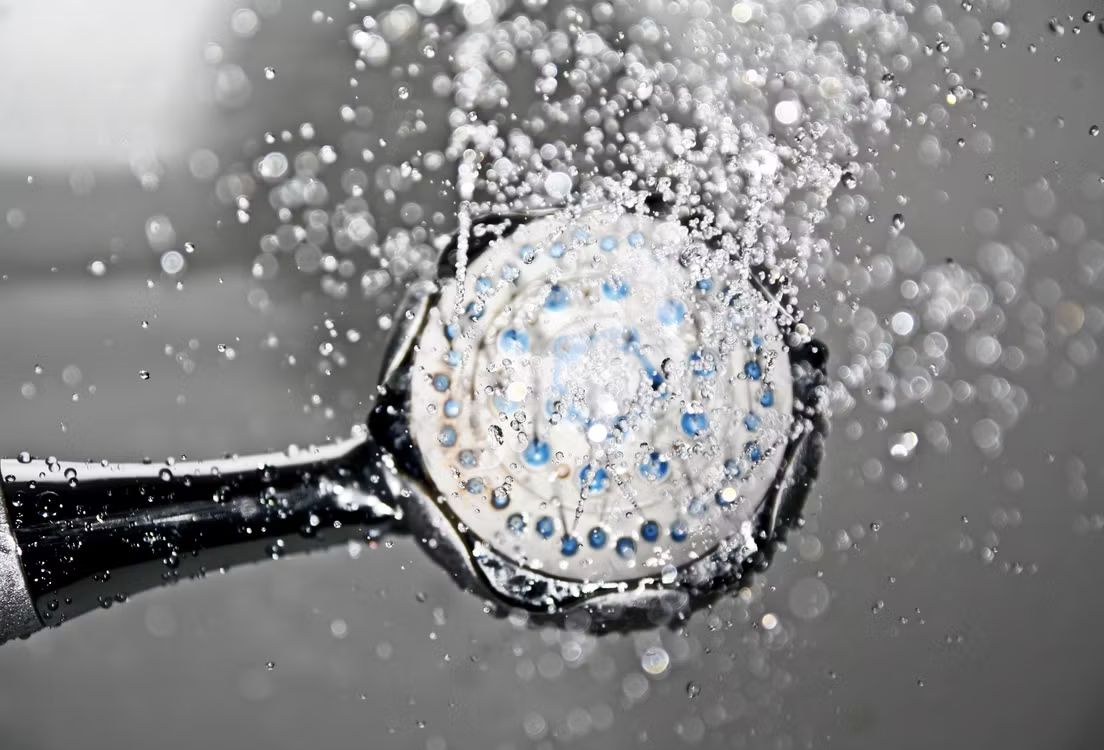
- Claims to remove mold buildup, soap scum, and hard water stains from shower fixtures using plain white vinegar.
- The Science Behind It:
- This hack relies on vinegar’s acidity, specifically acetic acid, which should help break down mineral deposits like calcium and lime buildup from hard water.
- How-To:
- Fill a plastic or zip-top bag halfway with distilled white vinegar.
- Place the bag over the shower head or faucet so the nozzles are fully submerged.
- Secure it tightly using a rubber band, zip tie, or string around the neck of the fixture.
- Let it soak for 1–2 hours for light buildup, or overnight for heavier scaling.
- Remove the bag carefully, discard the vinegar, then scrub the spray face with a toothbrush.
- Run hot water through the shower head for a few minutes to flush out loosened debris.
- Potential Risks/Drawbacks:
- Vinegar can be too harsh for certain finishes if used repeatedly or left for too long.
- Older or damaged fixtures may be more sensitive to prolonged soaking.
- In severe cases, buildup inside pipes or deeper blockages may not be fully resolved by surface soaking alone.
- Real-World Practicality:
- In most households, this is an effective and low-effort way to handle light mineral buildup. It’s affordable, easy to perform, and usually improves water flow noticeably after one use. However, it’s most effective when used regularly rather than as a last-resort deep-clean method.
- Genius or Gimmick?
- VERDICT: GENIUS!
- This hack based on a real and well-understood chemical reaction between acetic acid and mineral deposits. It’s not speculation, just basic chemistry!
Viral Cleaning Hack #3: Hiding Scented Dryer Sheets in Throw Pillows
- Goal/Claim:
- Discreetly freshen up indoor living spaces by embedding scented dryer sheets inside throw pillows.
- The Science Behind It:
- The idea is based on slow scent diffusion. Dryer sheets are designed to release fragrance gradually, and when enclosed inside fabric-filled spaces like pillows, the scent is meant to transfer subtly into the surrounding air over time.
- How-To:
- Insert a dryer sheet inside each throw pillow.
- Adjust placement so it sits centrally within the stuffing or cover.
- Replace once scent weakens, typically every few days.
- Potential Risks/Drawbacks:
- Artificial fragrances may trigger sensitivities in some individuals.
- Overuse can lead to an overpowering scent rather than a subtle freshening effect.
- Dryer sheets are not designed for prolonged skin or fabric contact in enclosed spaces.
- Does not address underlying causes of odors in fabrics or rooms.
- Real-World Practicality:
- This hack can subtly improve how a space smells, particularly in areas where textiles tend to hold odors. However, it works best as a surface-level enhancement rather than a true odor solution. In homes with pets or ventilation issues, the effect may be less consistent.
- Genius or Gimmick?
- VERDICT: GIMMICK!
- It works in terms of scent diffusion, but it doesn’t clean or eliminate odor sources. Its popularity seems to come more from convenience than actual efficacy. It does achieve a mild, temporary scent-enhancing effect but its value is mostly sensory instead of functional.
Viral Cleaning Hack #4: Hands-Free Baseboard Cleaning with Repurposed Old Socks
- Goal/Claim:
- Claims to make baseboard cleaning faster and less physically demanding by using unused socks as a hands-free dusting tool.
- The Science Behind It
- It doesn’t get simpler than this; this hack relies on basic friction and contact cleaning. Fabric, especially cotton or microfiber-like material, should be effective at trapping and lifting dust particles rather than just pushing them around.
- The hack also reduces physical strain by replacing repetitive bending with an easy swinging leg motion, improving ergonomics during cleaning.
- How-To:
- Take a clean unused sock and slightly dampen it with water or your preferred cleaning solution.
- Place the sock over your foot securely.
- Drag or gently press your foot along the baseboards while walking slowly along the wall.
- Re-dampen or rinse the sock as needed if it becomes too dirty.
- Finish by wiping any excess moisture if necessary.
- Potential Risks/Drawbacks:
- Excess moisture may damage paint or leave streaks on walls.
- Hard-to-control movement can lead to missed spots or uneven cleaning.
- It can also push dust into corners instead of fully removing it if not done carefully.
- Direct contact between cleaning solutions and skin or the sole of the foot may cause irritation, especially for those with sensitive skin or stronger cleaning agents.
- The tactile experience of a damp sock against the foot may also be uncomfortable or overwhelming for some users due to sensory discomfort.
- Real-World Practicality:
- This hack is highly accessible since it only requires an old sock and a basic cleaning solution or water, both of which are already available in most homes. It’s quick to set up and works well for fast, low-effort cleaning sessions, especially along long stretches of baseboards.
- However, it can become less efficient in corners or detailed areas where control and precision matter more.
- Genius or Gimmick?
- VERDICT: GENIUS (with conditions!)
- It’s not revolutionary, but its value lies in efficiency and accessibility.
- That said, it’s not universally practical. For some, the sensory experience may be just as uncomfortable as the physical strain it’s meant to reduce.
Viral Cleaning Hack #5: DIY Couch Steam Cleaning
- Goal/Claim:
- Claims to mimic steam cleaning effects on sofas and other upholstered items using heated detergent solution and a fabric-wrapped pot lid for scrubbing.
- The Science Behind It:
- The concept relies on heat, moisture, and mild surfactants from detergent. Hot water is thought to loosen dirt and oils embedded in fabric fibers, while detergent helps break down grease and surface grime.
- The scrubbing motion from the wrapped lid handle should add mechanical agitation, lifting embedded dirt from upholstery.
- How-To:
- Fill a bowl or basin with hot tap water.
- Add a detergent pod and let it fully dissolve, stirring if needed.
- Soak a towel in the solution and wring it out.
- Place the damp on a towel flat surface and position the pot lid in the center, handle facing upward.
- Pull the towel edges up and around the lid, then secure them tightly so the fabric is pulled taut.
- Use the wrapped lid as a scrubbing tool on couches, chairs, carpets, or upholstery.
- Allow everything to air dry completely after cleaning.
- Potential Risks/Drawbacks:
- Over-wetting upholstery can lead to long drying times and potential odor buildup.
- Certain upholstery fabrics may react poorly to detergent or friction.
- If not dried properly, moisture can become trapped in cushions and padding.
- Real-World Practicality:
- This is a low-cost and accessible method since it relies on standard household materials.
- Environmental conditions like humidity can also heavily impact drying time and affect its convenience.
- Genius or Gimmick?
- VERDICT: GIMMICK!
- This hack relies heavily on near-perfect conditions, including fast drying, suitable fabric type, and a cleaning agent that won’t react poorly with the material. It takes too much effort for results that aren’t reliably consistent.
- Upholstery holds moisture easily, and if drying is incomplete, it can lead to odor issues or even mold buildup inside cushions.
- In most cases, targeted spot cleaning or professional steam cleaning is a more practical and safe solution.
Viral Cleaning Hack #6: Removing Grease Stains from Plastic Food Containers
- Goal/Claim:
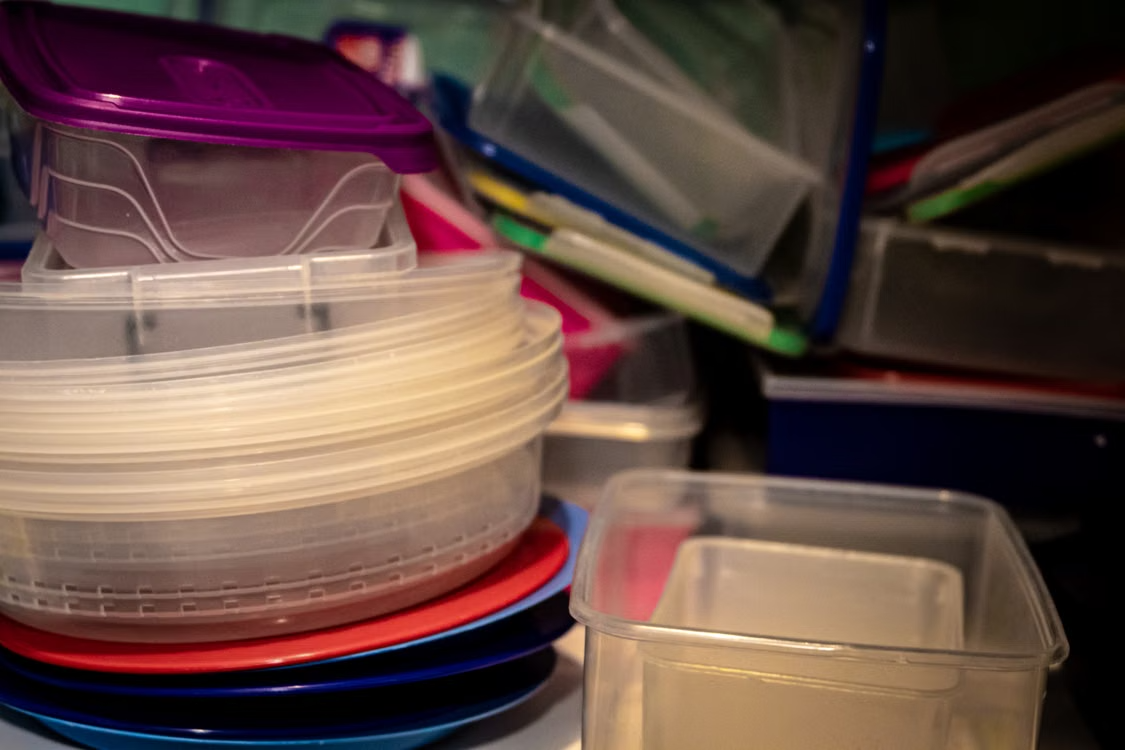
- Claims to remove grease, odor, and yellowish stains from plastic food containers using dish soap, water, and a paper towel.
- The Science Behind It:
- Dish soap breaks grease into smaller particles that can be rinsed away with water, while the paper towel acts as a soft scrubber that helps lift residue from corners and surfaces and then absorbs loosened grease during agitation.
- Shaking improves contact between the cleaning solution and all interior surfaces.
- How-To:
- Fill your plastic containers with warm water.
- Add a few drops of dishwashing liquid.
- Place a torn or folded paper towel inside the container.
- Secure the lid tightly.
- Shake vigorously for about a minute or so.
- Empty, rinse thoroughly, and air dry.
- Potential Risks/Drawbacks:
- Older stains that have already set into plastic may not fully disappear.
- Real-World Practicality:
- One of the easiest cleaning hacks to try, this method requires very little setup or effort. It’s quick and low-commitment, making it an easy go-to for routine cleaning. However, it is less effective on older grease stains that have already bonded onto plastic surfaces.
- Genius or Gimmick?
- VERDICT: GENIUS!
- This is a genuinely strong cleaning trick that performs well beyond its simplicity. The chemistry is sound, the method is efficient, and the results are noticeable despite the minimal effort. The key is applying this method early on, before grease has a chance to fully set into deep, stubborn stains.
Final Thoughts
The best viral cleaning hacks should spark curiosity and encourage us to rethink how we approach everyday messes. These methods are a big part of what makes modern cleaning culture so engaging. There’s something undeniably entertaining about exploring new and unconventional ways to clean.
Over the years, these viral cleaning hacks have reminded us that cleaning isn’t static; it’s ever changing, adapting, and improving. There’s always something new to pick up along the way, and that’s part of what makes it so much fun!
That said, know that the smartest approach to experimenting with new trends is to stay curious but cautious. Taking a moment to research, question, and test things out carefully will turn experimentation into something far more safe & rewarding.
For those who prefer certainty over experimentation, of course, hiring professional cleaners remain a dependable option. Because while trends come and go, sometimes the absolute best cleaning hack is simply choosing experts and solutions that are already tried & true.