
Keep scrolling to learn more, or click a section to explore!
What Are Household Allergens and Why They Build Up Indoors
Spring may bring blooming flowers and warmer weather, but it also marks the start of allergy season for many households.
When it comes to allergy-proofing your home, it’s important to understand why allergens tend to accumulate indoors in the first place. While outdoor pollen often gets the blame, some of the most common triggers are actually found inside the home.
Dust mites thrive in mattresses and upholstered furniture, pet dander can linger long after shedding, and mold can develop in damp areas such as bathrooms, kitchens, and laundry rooms.

The reason allergens build up indoors is simple: they have nowhere to go. One of the biggest challenges in allergy-proofing your home is simply that indoor allergens rarely disappear on their own.
Unlike outdoor spaces where wind and weather help disperse particles, allergens inside your home tend to settle into fabrics, corners, and air vents.
Without regular cleaning, these particles continue to circulate and settle, creating an environment where allergy symptoms can persist year-round.
DID YOU KNOW? A single dust mite can produce waste particles that are a major trigger for allergy symptoms, even after the mite itself is gone!
How Dust, Pollen, Pet Dander, and Mold Affect Air Quality Indoors
Even when these particles are invisible to the naked eye, dust, pollen, pet dander & mold can affect the overall quality of the air you breathe every day. Exposure to indoor allergens can trigger a range of reactions, from occasional sneezing to ongoing congestion and respiratory irritation.
Poor indoor air quality can also interfere with consistent, restorative sleep. And no one needs to be convinced of the value of a good night’s sleep!
While coughing, postnasal drip & airway irritation are symptoms that may seem minor at first, continued exposure can make it difficult to fully relax each night.
As sleep quality declines, people typically experience lower energy levels, reduced focus, and increased fatigue during the day, which is often an overlooked effect of how indoor air impacts everyday comfort at home.
FUN FACT: Pets often bring in more allergens per trip outside than shoes do, mainly because their fur acts like a Velcro for tiny particles and dust. Between running, rolling, and brushing against plants or grass, they typically pick up allergens from head to tail!
How Spring Allergens Enter Your Home (Even When Windows Are Closed!)
A lot of people are surprised to learn that closing windows doesn’t actually stop spring allergens from getting inside. They’re incredibly good at hitching a ride on everyday things like clothes, skin, pets, even bags, and they slip in through ventilation systems and small openings you don’t usually think about.
During peak spring season, they tend to build up fastest in entry points like hallways, bedrooms, and soft furnishings where air circulation is lower. It’s easy to assume allergens are only an outdoor problem, but in reality they follow people and airflow into the home in many subtle ways. Making sure you’re allergy-proofing your home appropriately is still important even if you’re not “bringing the outside in” intentionally.
HVAC systems can also play a role. If filters aren’t trapping everything efficiently, air gets continuously recirculated, meaning whatever is in the air outside can eventually make its way through your indoor spaces too.
Fortunately, keeping allergens at bay doesn’t require a complete overhaul!
How to Reduce Pollen Entering Your Home
One of the simplest ways to reduce pollen entering your home is to focus on your entry points. Shoes, jackets, bags, and even pets can all carry tiny particles inside without you realizing it, so setting up a small “transition zone” by the door can make a real difference. Even just being a bit more intentional at the door can go a long way in allergy-proofing your home.
With pets, a quick wipe-down or brushing after outdoor time can reduce how much they bring inside.
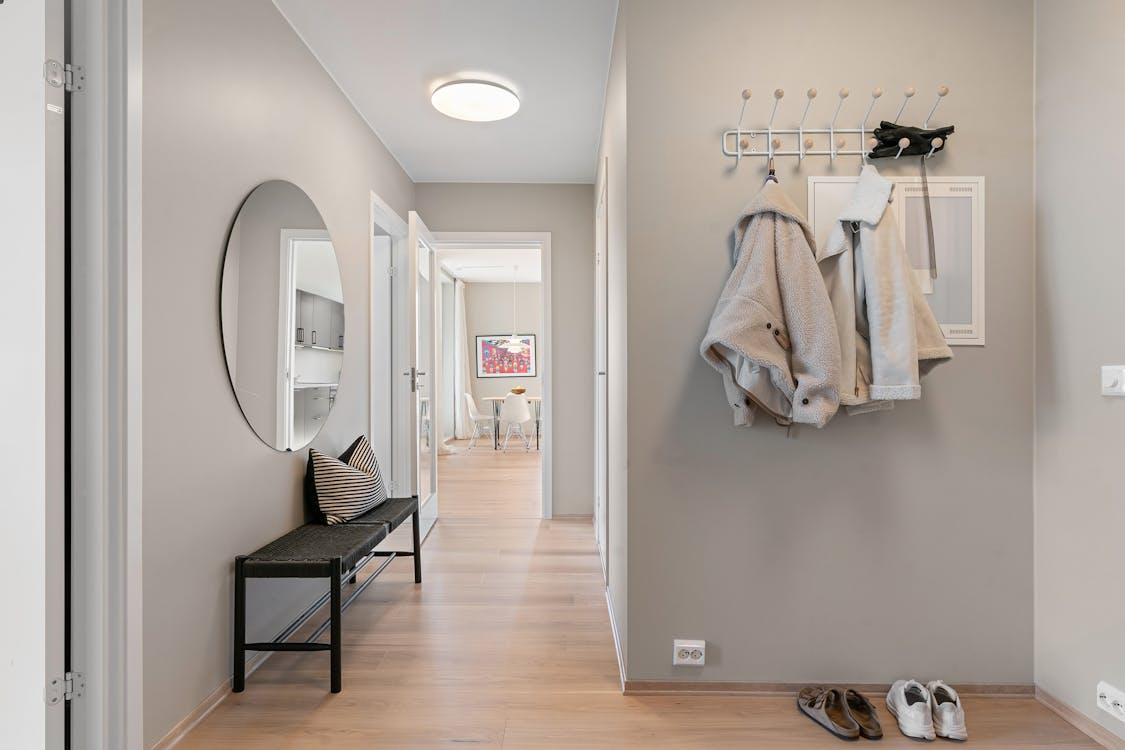
From there, you’ll notice how small habits can truly add up. Leaving shoes at the door, washing your hands after coming inside, and keeping outdoor items contained near entryways all help limit how far pollen travels indoors.
If you’re wondering when things get their worst, it’s usually during high pollen days in spring, especially when you’re moving in and out of the house more often. What’s helpful to remember is that prevention always comes before cleanup.
When you’re allergy-proofing your home, you’re really trying to stop pollen at the earliest possible point, before it gets a chance to settle into fabrics and surfaces.
EXPERT TIP: Air stagnation (rooms with low airflow) is one of the biggest contributors to allergen concentration over time. On high pollen days, running ceiling fans or standing fans in short intervals helps maintain light air movement, reducing how long allergens remain suspended and active in the space.
How to Tackle Fabrics that Trap Allergens
Since dust mites thrive in bedding and upholstery, the bedroom and living room areas should be top priorities when allergy-proofing your home. Couches and curtains absorb what’s in the air, bedding holds onto what your body sheds overnight, and rugs act like giant filters that rarely get replaced.
A simple but surprisingly overlooked trick is vacuuming bedding and upholstery the same way you would your floors. And no, not with the same attachment you currently use on your floors or hard surfaces!
Always make use of proper fabric and crevice tools or attachments instead. Focus on cushions, seams, the underside of couch arms, and even the back panels where dust quietly builds up.
Certain fabrics can also benefit from the occasional steam clean, especially in areas that don’t get washed as frequently. Steam helps loosen and lift what’s embedded deeper in fibers, while also reaching into folds, seams, and textured surfaces where dry vacuuming might not fully reach.
It’s particularly useful for things like heavier curtains, upholstered furniture, and rugs with dense pile, where particles tend to settle and stay put over time. The heat and moisture combination helps refresh these materials without needing harsh scrubbing or frequent full washes, which makes it a practical option for maintaining comfort between deeper cleans.
Once you see what’s been sitting there all along, it just might change your entire standard for what “clean” really means!
EXPERT TIP: Sunlight exposure can naturally reduce some microbial buildup on fabrics over time. It works a bit like a natural refresh button, even a few hours of indirect sun can make textiles feel noticeably lighter and fresher.
Bathroom Cleaning Habits that Prevent Mold-Triggered Allergy Flare-Ups
Mold in bathrooms doesn’t always show up as big, visible patches. Sometimes it’s just constant, low-level moisture that never fully dries. Even small habits like leaving damp towels lying around or not drying off shower walls can quietly contribute to allergy flare-ups over time.
A key part of allergy-proofing your home is breaking that moisture cycle early. For example, leaving the bathroom door slightly open after showers or using a squeegee on shower walls takes less than a minute but dramatically reduces the conditions mold needs to grow.
Pair that with actually running ventilation during and after showers, and you’re already doing a lot for allergy-proofing your home without having to add extra cleaning days.
Another overlooked factor is your shower curtain. It often stays damp longer than everything else in the room, especially at the folds. Rinsing it occasionally and letting it fully spread out instead of bunched up can make a bigger difference than most deep-cleaning routines.
It also helps to rotate and fully dry bath mats instead of just leaving them in place indefinitely. Those thick, damp fibers can hold moisture longer than expected, quietly feeding mold growth in ways most people don’t notice.
DID YOU KNOW? Mold spores are naturally present in the air at all times, even in clean homes! The goal isn’t to eliminate them completely, but to keep conditions from allowing them to settle in and multiply indoors.
Daily VS Weekly Cleaning Habits That Actually Keep Allergens Under Control
The truth is, allergen control isn’t about doing everything at once, it’s about knowing what works best for your home and schedule. Most households thrive when tasks are split into two rhythms: daily maintenance and weekly resets.
Daily cleaning should feel almost invisible, just enough to stop dust, dander, and pollen from settling and circulating. It’s all about interrupting buildup before it spreads, while weekly routines clear out what inevitably sneaks through. That balance is really the foundation of allergy-proofing your home.
On a daily level, it can be as simple as wiping down high-contact surfaces like bedside tables, kitchen counters, or the bathroom sink. Think small but consistent: a quick vacuum pass in high-traffic areas, wiping down pet areas, and not letting damp towels or clothes sit around.
Then once a week, you go a layer deeper: vacuuming upholstery with proper attachments, vacuuming under furniture (not just around it!), washing pillowcases, and rotating soft items like throws or cushion covers can completely change how much builds up over time.
At the end of the day, it won’t be about doing more cleaning, it’s doing the right task at the right time. That shift is what makes the biggest difference in how your home actually feels to live in day to day.
Final Thoughts
Looking at the full picture, it becomes clear that allergen control is built through small, consistent patterns rather than big-time fixes. Once you start noticing how allergens move, settle, and build up, your habits naturally become more intentional over time. Daily small decisions influence not just cleanliness, but how you actually feel while in your home.
In any case, we know life doesn’t always make it easy to stay consistent with those routines. Busy schedules, shifting priorities, or simply wanting to spend free time on rest or with family can make regular deep cleaning feel like one more thing on an already full list.
Instead, professional deep cleaning can help make allergy-proofing your home easier and more effective. Think of it as a way to complement your existing habits, especially during seasons or periods when things get busier than usual.
There’s a real sense of ease in knowing your home isn’t holding onto things that could be quietly affecting your comfort or health. With the right mix of simple habits and occasional support, it becomes much easier to simply enjoy being in your home.